- NATURAL 20
- Posts
- OpenAI Preps 'Spud' Model Amid CEO Shift
OpenAI Preps 'Spud' Model Amid CEO Shift
PLUS: OpenAI Pulls Out All the Stops for Wall Street and more.

Wes Roth
March 25, 2026
In partnership with


Your Docs Deserve Better Than You
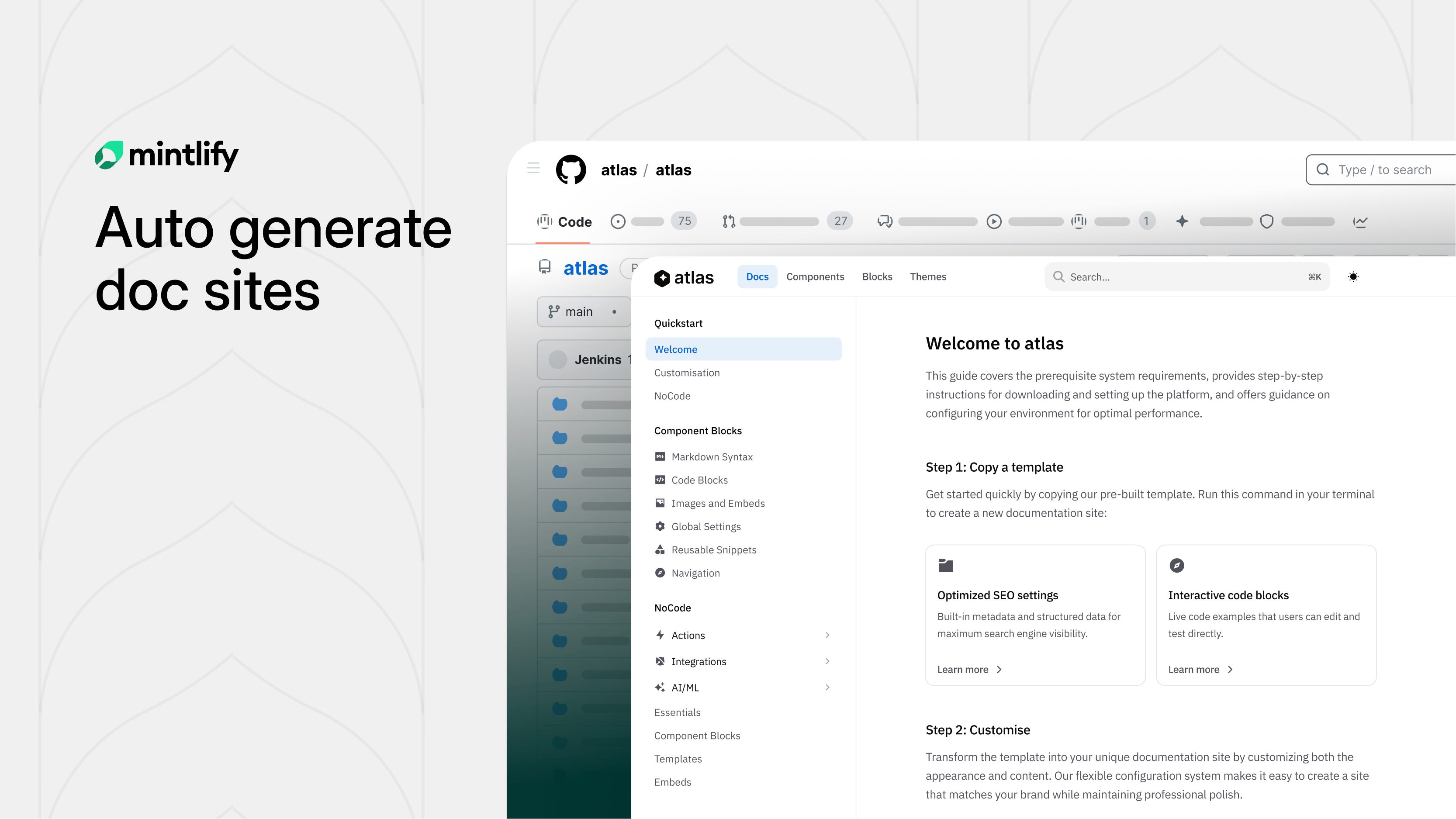
Hate writing docs? Same.
Mintlify built something clever: swap "github.com" with "mintlify.com" in any public repo URL and get a fully structured, branded documentation site.
Under the hood, AI agents study your codebase before writing a single word. They scrape your README, pull brand colors, analyze your API surface, and build a structural plan first. The result? Docs that actually make sense, not the rambling, contradictory mess most AI generators spit out.
Parallel subagents then write each section simultaneously, slashing generation time nearly in half. A final validation sweep catches broken links and loose ends before you ever see it.
What used to take weeks of painful blank-page staring is now a few minutes of editing something that already exists.
Try it on any open-source project you love. You might be surprised how close to ready it already is.
Hey everyone!
I’m doing a quick roll call to see who’s hanging out in our community these days. I'd love to learn more about what you do, the industry you're in, and what you're most curious about right now.
If you've got 60 seconds, tap the link below and let me know!"
Today:
OpenAI Preps 'Spud' Model Amid CEO Shift
Anthropic Launches Auto Mode for Claude Code
Google DeepMind Partners with Agile Robots
OpenAI Pulls Out All the Stops for Wall Street
OpenAI Foundation Strategic Update
If you've been tracking the bleeding edge of AI with me, this update is a massive pivot. OpenAI has officially finished pre-training a powerful new model currently codenamed "Spud." Sam Altman has been telling staff that this model has the potential to seriously "accelerate the economy," and we're expecting an official reveal in the coming weeks.
But to make room for Spud and their new focus on AI agents, they are making a ruthless cut. Just six months after its high-profile launch, OpenAI is completely shutting down the Sora video generator app and winding down their massive licensing partnership with Disney.
For anyone passionate about video editing and visual storytelling, it’s a stunning realization of just how compute-hungry video generation really is. They are essentially sacrificing Sora to free up processing power for reasoning and coding models.
On top of all this, Altman is stepping back from direct oversight of the safety and security teams to focus entirely on raising capital and building out unprecedented data centers. The arms race is officially in overdrive.
Moving from the digital screen to the physical world, Google is making a massive play. DeepMind just inked a strategic partnership with Agile Robots, a Munich-based company that already has over 20,000 industrial systems deployed globally.
They are taking Google’s Gemini Robotics foundation models and integrating them directly into Agile’s hardware. Why is this a big deal? Instead of factory robots needing to be painstakingly reprogrammed for every single new task, these machines will use real-world deployment data to learn and adapt on the fly.
It's the beginning of a massive "AI flywheel" where physical robots become increasingly intelligent based on what they experience on the factory floor. The dream of autonomous, reasoning robots building our hardware is suddenly looking very real.
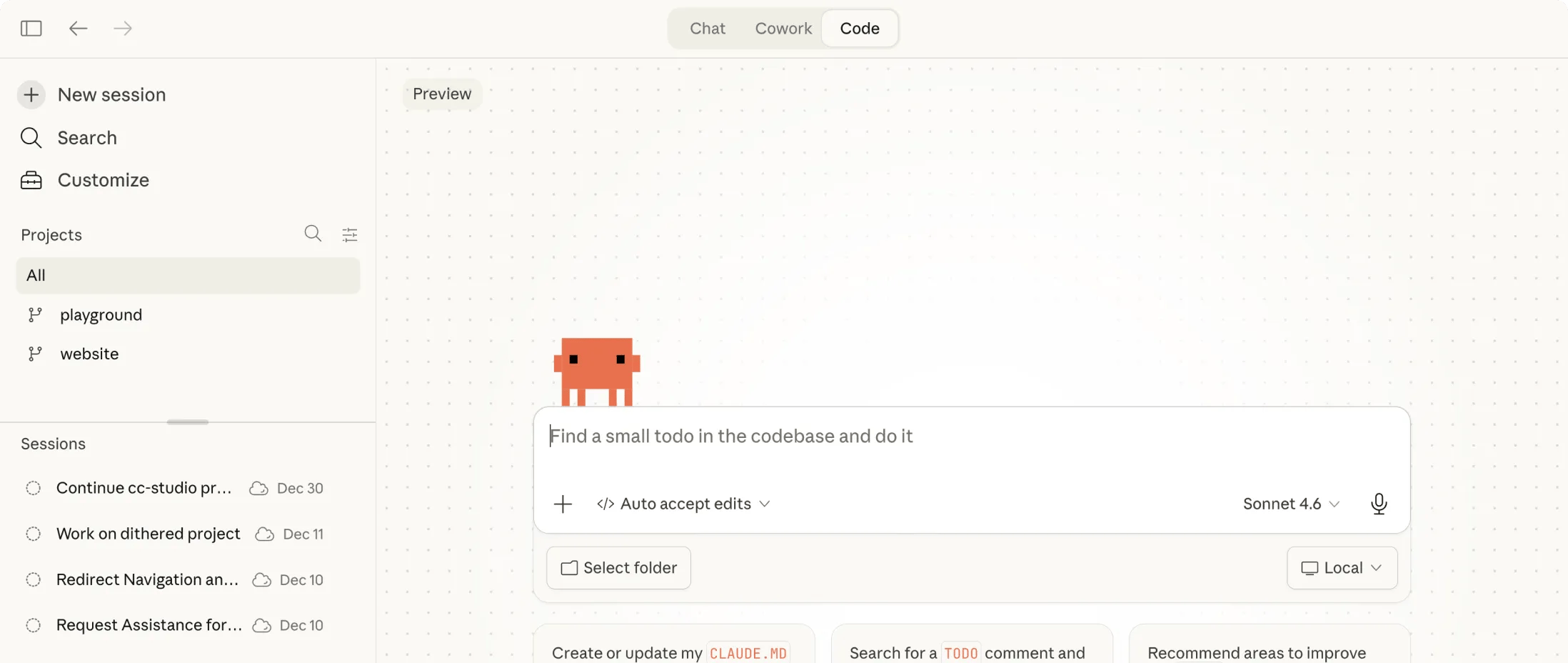
If you've ever used AI to help build out complex logic or automate workflows, you know the friction: you either have to manually approve every single command the AI wants to run (which ruins your flow), or you turn off permissions entirely and risk the AI accidentally deleting half your hard work.
Anthropic just introduced "Auto Mode" for Claude Code to fix this exact headache. It acts as a smart middle ground. Before Claude runs a tool or a script, an internal classifier quickly reviews the action. If it looks safe, it executes automatically so you can stay hands-off.
If it looks risky like a mass file deletion or weird data movement, it blocks it and forces Claude to try a different approach, only interrupting you for permission if absolutely necessary. It’s a brilliant way to stay in the zone without giving the AI the keys to the kingdom.
🧠RESEARCH
Current AI models that generate video or 3D scenes struggle to understand cause and effect over time. Researchers created a new test to see how well these models react when users interact with their digital environments. After testing 18 systems, they found most still have a long way to go.
Teaching AI to make videos using trial-and-error learning can be messy and unpredictable. Researchers developed a new method that keeps the AI's learning process strictly within realistic boundaries. This prevents the system from making wild guesses, resulting in much higher quality and more stable AI-generated video clips.
AI agents often get confused during complex, multi-step tasks like browsing the web. Researchers fixed this by teaching the AI to break big goals into smaller, manageable steps and rewarding it for reaching mini-milestones. This significantly improved how well models like Gemini complete long, complicated digital chores.
📲SOCIAL MEDIA
🗞️MORE NEWS
The High-Stakes Battle for Corporate AI Bucks OpenAI is offering investment firms a guaranteed 17.5% return and early access to new models if they agree to form joint partnerships. This aggressive deal is part of a fierce competition with rival Anthropic to win over large corporate customers and raise more money.
A New Chapter for OpenAI's Philanthropic Arm OpenAI has released an official update regarding the activities and direction of its nonprofit arm, the OpenAI Foundation. This announcement provides new insights into how the organization is structuring its philanthropic efforts and managing its ongoing community initiatives.
Next-Gen Power: AI's Role in the Nuclear Revival Microsoft and NVIDIA are using artificial intelligence and virtual models to speed up the approval, design, and daily operation of nuclear power plants. These new tools are meant to help deliver carbon-free energy faster and more safely to meet a historic worldwide surge in power demand.
The Everyday AI: Claude Moves Beyond the Code Anthropic's latest report reveals that people are using its AI model, Claude, for a much wider variety of everyday tasks rather than just complex programming. While early adopters focused on highly technical work, newer users are relying on the AI for casual help with things like sports research, product comparisons, and home maintenance.
Meta's Latest Acqui-Hire Targets Personalized AI Meta has hired the founders and team behind Dreamer, a startup that helped people build their own personalized AI assistants. The group will join Meta's advanced research labs to help the company build smarter AI systems and strengthen its talent pool.
OpenAI Gears Up for a Massive Advertising Play OpenAI has hired Dave Dugan, a former top advertising executive at Meta, to lead its global ad sales division. This hiring move signals that the artificial intelligence company is actively trying to build strong relationships with major brands to grow its new advertising business.
The Fusion Connection: OpenAI's Quest for Limitless Energy OpenAI is negotiating to buy massive amounts of electricity from the nuclear fusion startup Helion to power its energy-hungry data centers. To avoid any conflicts of interest during these high-stakes talks, OpenAI CEO Sam Altman has officially stepped down from his position on Helion’s board of directors.
Microsoft's Strategic Grab for In-House AI Dominance Microsoft has hired respected researcher Ali Farhadi to work as a vice president under its top AI leader, Mustafa Suleyman. This strategic hiring shows Microsoft's commitment to building and training its own advanced AI models in-house instead of relying heavily on outside partners.
What'd you think of today's edition? |
Reply